24 junho 2020
23 junho 2020
The scientists targeted by conspiracy theorists: Scientists at the UK’s Pirbright Institute study coronaviruses in farm animals. Employees Dr Erica Bickerton and Teresa Maughan explain how they have found themselves at the centre of a coronavirus conspiracy theory.
COVID-19: What the world can learn from regional responses:
In response to the COVID-19 pandemic, many countries have acted alone.
The efforts of regional organizations offer important lessons to ensuring the global coordination needed to recover from the crisis.
These include working across borders to share best practices for mitigating the spread, coordinate fiscal measures and boost trade.
In response to the COVID-19 pandemic, many countries have acted alone.
The efforts of regional organizations offer important lessons to ensuring the global coordination needed to recover from the crisis.
These include working across borders to share best practices for mitigating the spread, coordinate fiscal measures and boost trade.
How should COVID-19 change the way we innovate?
1. Investing in innovation talent. The leadership team signals its commitment to innovation with high-profile investments of resources and time.
2. Adopting an outside-in approach to innovation that starts by scouring widely for trends and searching for deep insights into customers’ emerging needs.
3. Encouraging prudent risk-taking. Innovative organizations foster a tolerance for risk-taking by endorsing fast-to-fail experiments and learning from their innovation disappointments.
1. Investing in innovation talent. The leadership team signals its commitment to innovation with high-profile investments of resources and time.
2. Adopting an outside-in approach to innovation that starts by scouring widely for trends and searching for deep insights into customers’ emerging needs.
3. Encouraging prudent risk-taking. Innovative organizations foster a tolerance for risk-taking by endorsing fast-to-fail experiments and learning from their innovation disappointments.
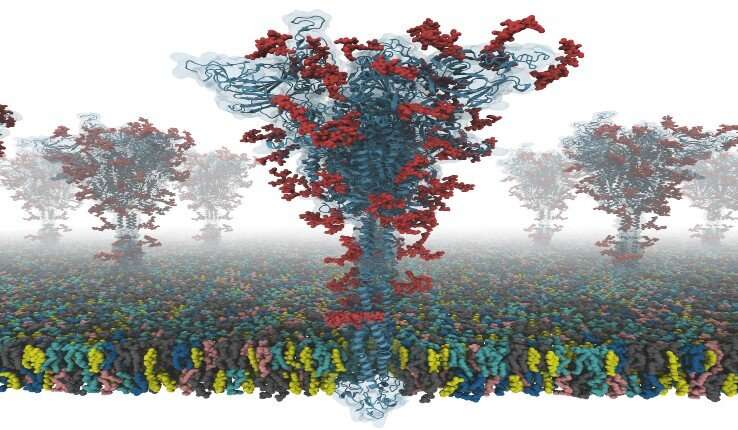
Scientists produce first open source all-atom models of COVID-19 'spike' protein: The virus SARS coronavirus 2 (SARS-CoV-2) is the known cause of coronavirus disease 2019 (COVID-19). The "spike" or S protein facilitates viral entry into host cells.
Fixing our air is key to preventing the spread of COVID-19: To truly help protect people from transmitting COVID-19, we need to fix the air we breathe.
Subscrever:
Mensagens (Atom)

-
StayAway Covid: após 38 mil casos, foram gerados apenas 730 códigos de infectados : Entre dois milhões de downloads e mais de 38 mil doe...
-
Moderna Announces Longer Shelf Life for its COVID-19 Vaccine Candidate at Refrigerated Temperatures : Vaccine candidate now expected to rem...
-
The COVID-19 Indoor Safety Guideline : The COVID-19 Indoor Safety Guideline is an evolving tool intended to familiarize the interested ...

