Pesquisar neste blogue

27 outubro 2020

Máscaras para multar

Facebook:
Sim, "estamos a assistir a medidas restritivas dos direitos constitucionais" (https://www.rtp.pt/.../menezes-leitao-afirma-que-estamos...),
 
Sim, apesar de ilegal, quem não usar máscara pode ser multado (https://dre.pt/.../home/-/dre/146435561/details/maximized),
 
Sim, as autoridades já estão a multar (https://www.dn.pt/.../psp-tem-patrulhas-de-investigacao...),
 
a) 50 % para o Estado;
b) 25 % para a SGMAI;
c) 25 % para a entidade fiscalizadora.
 
Não, isto - "COVID-19 is destroying global freedom, and it may not rebound" (https://www.washingtonexaminer.com/.../covid-19-is...) - não devia estar a acontecer: "In fact, libertarians are the opposite of fundamentalists. An open, liberal order is the product of reason. It feels counterintuitive: However prosperous we become, there is always a little part of us longing for the security and hierarchy of the kin group. After all, we lived in tribes for almost the whole of our existence as a species. Never before have we been so likely to sleep in our own rooms. Even in normal times, it sometimes felt, however irrationally, as if something was missing.
Now, thrown together by the disease, people in every country are rejecting the individualistic assumptions that guaranteed their freedom and their prosperity. Once those assumptions have been junked, they won’t easily come back. Nature pours back in. Our liberal order will soon be choked by creepers like some ancient Mayan ruin, swallowed up in the spray of green. By heaven, we’ll miss it when it is gone".
It is bad science to say covid-19 infections will create herd immunity

It is bad science to say covid-19 infections will create herd immunity: According to the signatories of an open letter called the Great Barrington Declaration, lockdown measures are doing more harm than good and we should open up society and let the virus rip. (...)

The mainstream media lapped up the disagreement narrative, but completely missed the fundamental problem with the declaration: its extremely dubious claims about herd immunity. This is central to the strategy, but the document badly fluffs the science.

Herd immunity is conceptually simple. If enough people become immune to an infectious agent, the entire herd is protected because infectious people rarely encounter a non-immune person, and so transmission fizzles out.

The level of individual immunity required to attain herd immunity depends on how infectious the virus is, as measured by R, the average number of people that each infectious person infects. The classic example is measles, which has an R number of around 15 and a herd immunity threshold of 95 per cent. The numbers for the coronavirus SARS-CoV-2 are about 3.5 and 60 to 70 per cent.

Herd immunity has only ever been attained by vaccination. But the declaration advocates naturally acquired immunity. In other words, letting between two-thirds and three-quarters of the population catch the virus.

26 outubro 2020

Contact-tracing app has only sent one alert about an outbreak in a venue

Coronavirus: Contact-tracing app has only sent one alert about an outbreak in a venue: The absence of such alerts has raised questions as the mass closures of pubs and bars is expected in parts of the country.

Let’s flatten the infodemic curve

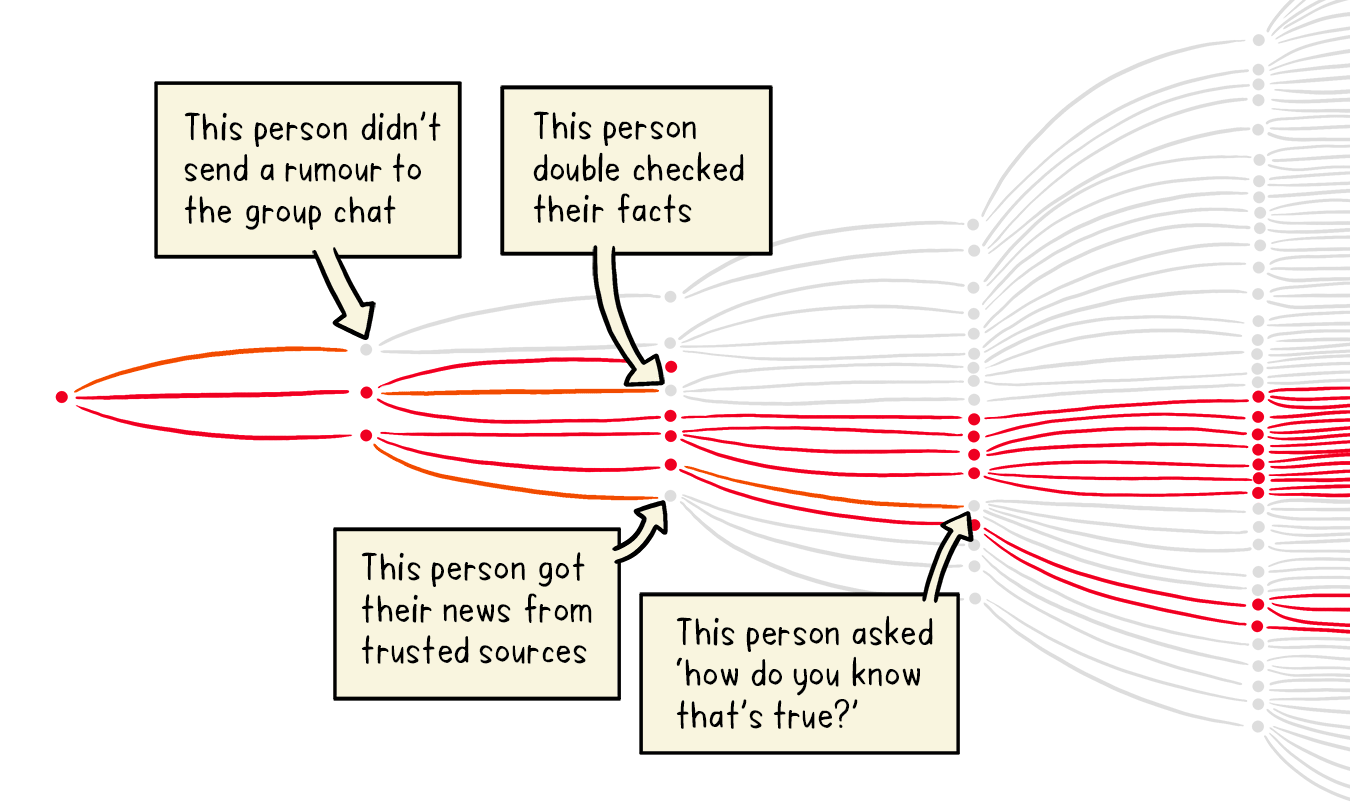
Let’s flatten the infodemic curve: We are all being exposed to a huge amount of COVID-19 information on a daily basis, and not all of it is reliable. Here are some tips for telling the difference and stopping the spread of misinformation.

spothlight-missinformation

Why Modeling the Spread of COVID-19 Is So Damn Hard


Why Modeling the Spread of COVID-19 Is So Damn Hard
: Too many of the COVID-19 models have led policymakers astray. Here’s how tomorrow’s models will get it right

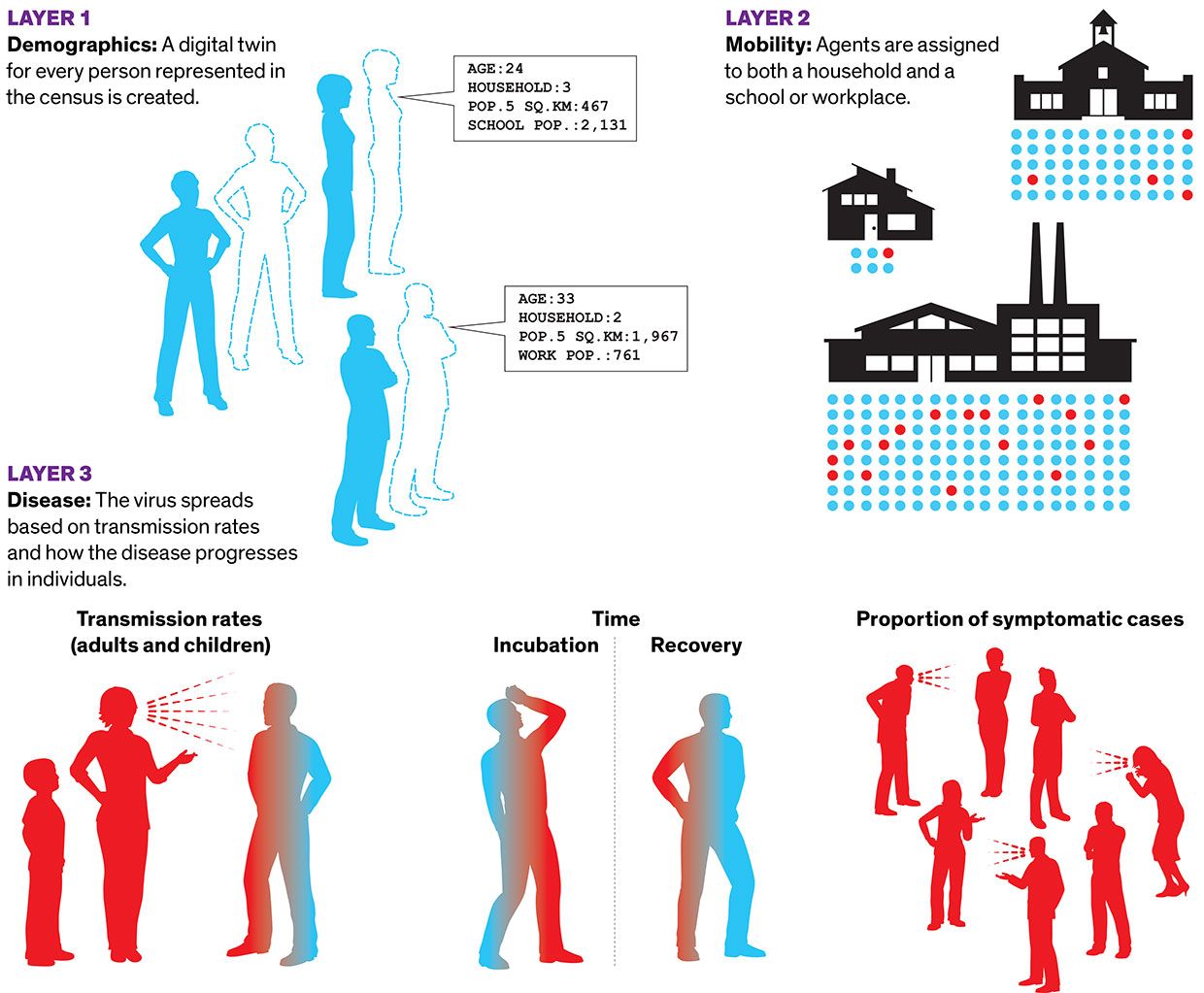
Illustration of a agent based model

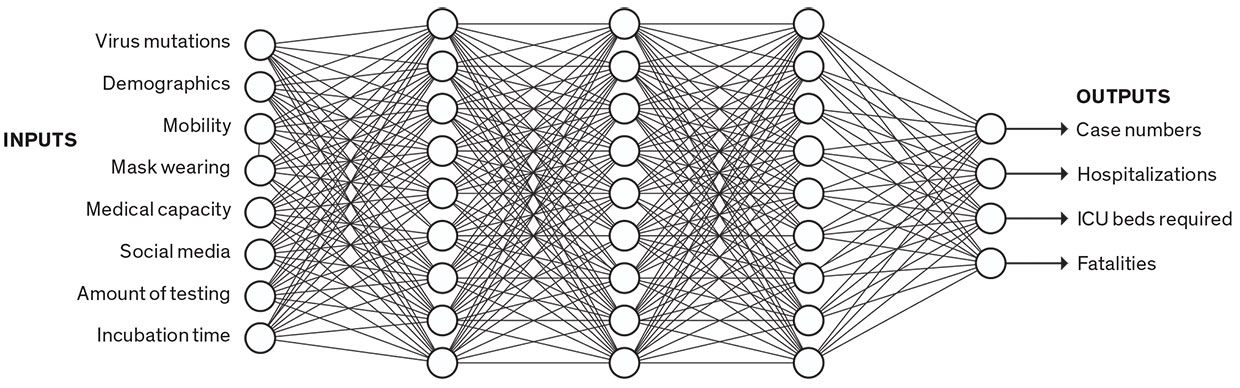
Illustration of a neural network

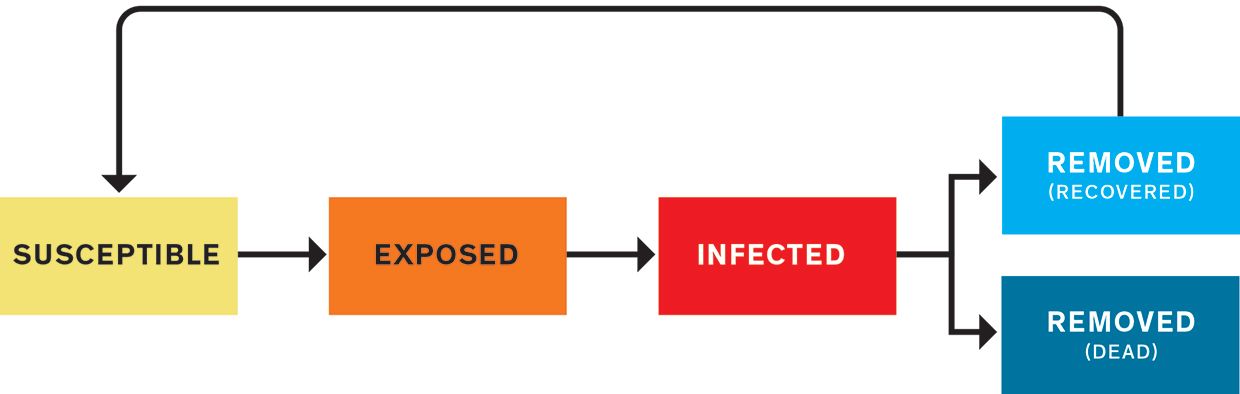
Illustration of a flow chart

Here’s How the Pandemic Finally Ends

Here’s How the Pandemic Finally Ends: A vaccine by early 2021, a steady decline in cases by next fall and back to normal in a few years—11 top experts look into the future.

Coronavirus changes we might want to keep

Coronavirus changes we might want to keep: The coronavirus pandemic has caused hardship and sorrow around the world, but it has also forced innovations that might stick around after the pandemic is under control. 

Why it matters: Some of those changes have proven to be popular and may improve people's lives if they become permanent.